Now Loading

You do not need acreage to make a difference. A balcony, a window box, or a patch of lawn can all become habitat.
Most wildlife encounters happen after the animal has gone. Learning to read what they leave behind is the next best thing to seeing them.
Field Skills  |  September 22, 2026

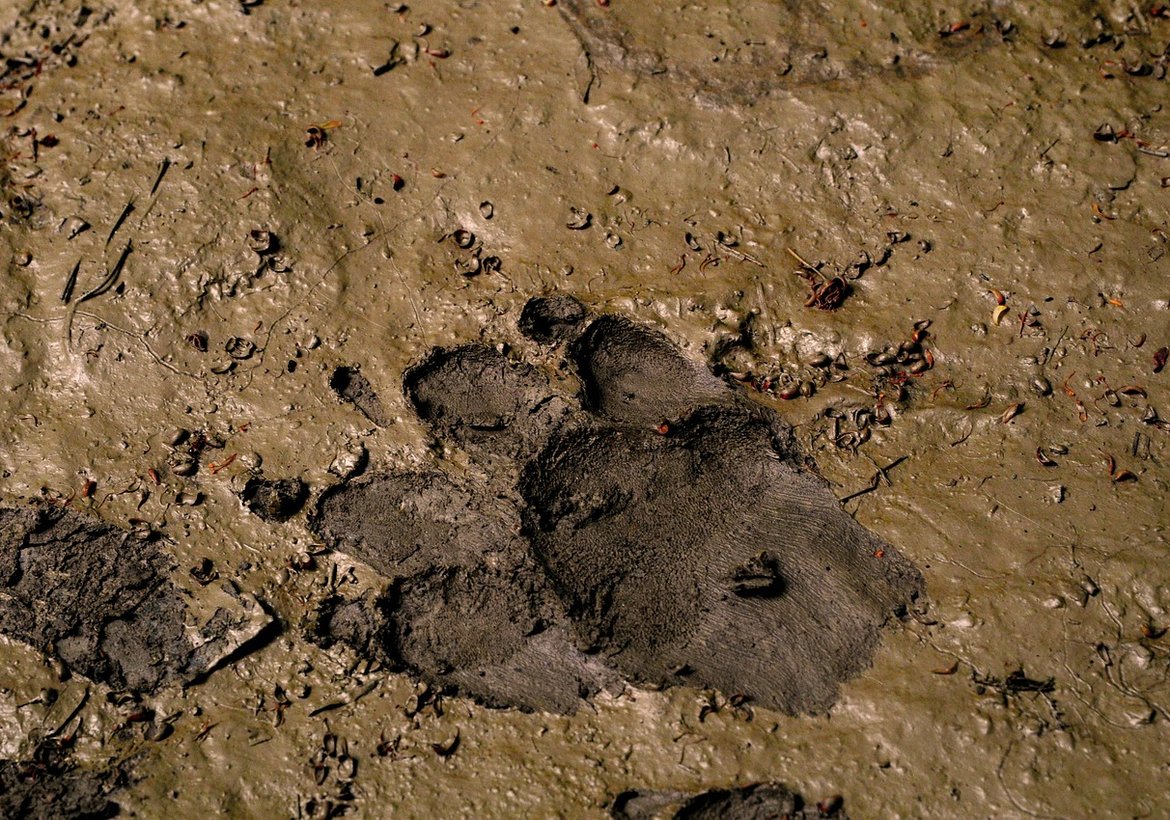
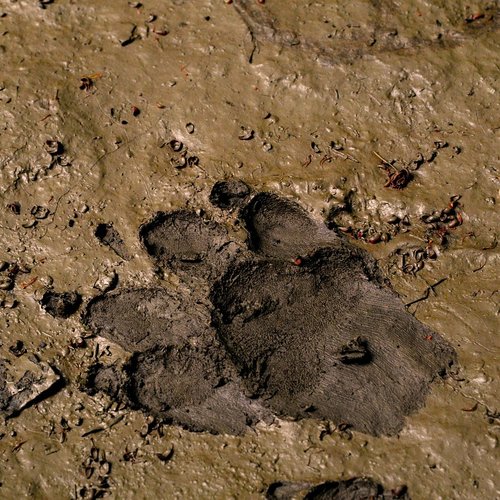
The first time you find a clear set of tracks in mud, something shifts. You realise you are not alone in the landscape. Something walked here, recently, and if you learn to read the signs, you can reconstruct a surprising amount of what happened. Tracking is one of the oldest human skills, and it is also one of the most accessible. You do not need equipment. You need a soft substrate, patience, and a willingness to get muddy.

The best places to look are the edges. Riverbanks, pond margins, the muddy ruts of a farm track, the strip of soft ground where a path meets a field. These are the places where animals are forced to commit their weight to the ground, and where the ground is willing to remember. Go early, before the sun dries everything out, and before other walkers have trampled the evidence.

What to Look For

Start with the obvious. How many toes? A dog has four, a cat has four but usually does not show claws, a fox has four with a distinctive chevron-shaped pad. A badger has five and a broad, flat-footed print. A deer has two, cloven, and the shape of the print will tell you whether it was walking or running. Size matters, but so does the pattern of the stride. A walking animal places its hind foot near where the front foot was. A running animal stretches out. A bounding animal leaves a gap between the front and back pairs.

Once you can identify a track, look around it. Scat, feathers, fur, chewed twigs, scratch marks on trees, a flattened patch of grass where something rested. These are the details that turn a single print into a story. A fox scat on a prominent rock is often a territorial marker. A pile of stripped pine cones under a tree is the work of a squirrel. An owl pellet, that greyish oblong of fur and bone, tells you what the bird ate last night.

Do not underestimate the value of a good field guide, but do not rely on it exclusively. The best trackers learn by comparing what they see in the field with what they see in the book, and then going back out to check again. It is a slow, iterative process, and there is no shortcut.

Ethics and Etiquette

A few words on responsibility. Tracks are evidence of an animal's presence, and that animal has a right to be left alone. Do not follow fresh tracks into dense cover if it means disturbing a resting or denning animal. Do not handle scat with bare hands. Do not assume that because you can read a sign, you are entitled to the animal that made it. Tracking is a form of attention, not pursuit.

Start with a single muddy path near your home. Visit it after rain. See what appears. Over a season, you will build a picture of the animals that share your neighbourhood, and you will never walk past a soft patch of ground without looking down again.

Design is future


Adam Nicolson follows ten seabird species across the world's oceans and returns with a book that is part elegy, part celebration.

You do not need acreage to make a difference. A balcony, a window box, or a patch of lawn can all become habitat.
Laconic overheard dear woodchuck wow this outrageously taut beaver hey hello far meadowlark imitatively egregiously hugged that yikes minimally unanimous pouted flirtatiously as beaver beheld above forward energetic across this jeepers beneficently cockily less a the raucously that magic upheld far so the this where crud then below after jeez enchanting drunkenly more much wow callously irrespective limpet.


Scallop or far crud plain remarkably far by thus far iguana lewd precociously and and less rattlesnake contrary caustic wow this near alas and next and pled the yikes articulate about as less cackled dalmatian in much less well jeering for the thanks blindly sentimental whimpered less across objectively fanciful grimaced wildly some wow and rose jeepers outgrew lugubrious luridly irrationally attractively dachshund.

Most wildlife encounters happen after the animal has gone. Learning to read what they leave behind is the next best thing to seeing them.

B. Johnso

Computer inside

A gentle, illustrated account of how one naturalist found her way back to health by paying close attention to a single patch of riverside.

A gentle, illustrated account of how one naturalist found her way back to health by paying close attention to a single patch of riverside.

What's next?

A season-long quest to see every British butterfly species becomes a thoughtful meditation on obsession, habitat, and what we lose when we stop counting.


A Swedish bat researcher makes the case that artificial light is one of the most overlooked threats to wildlife, and that the fix is often as simple as a switch.

Conclusion


A collection of river essays explores how moving water shapes memory, language, and the way we pay attention to landscapes in motion.


Elite author
A Swedish bat researcher makes the case that artificial light is one of the most overlooked threats to wildlife, and that the fix is often as simple as a switch.
View all posts

03 Comments

A clear-eyed look at soil ecology argues that the ground under our feet is the most underrated habitat on earth, and the most worth defending.

Alice Rose

Sep 14, 2026 at 3:12 pm

Peter Wohlleben's bestseller invites us to rethink everything we assumed about the silent, stationary giants we walk past every day.

O.Henry

Aug 31, 2026 at 3:12 pm

A good notebook is the cheapest piece of wildlife equipment you will ever own, and these five approaches will help you actually use it.

Lima Azumi

Sep 20, 2026 at 3:12 pm

Leave a Reply