Now Loading

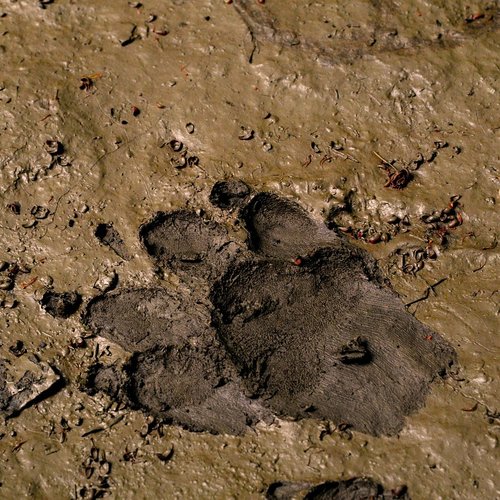
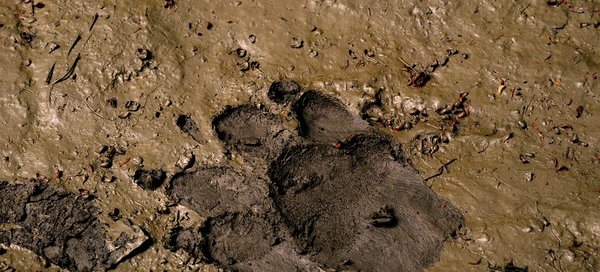
Most wildlife encounters happen after the animal has gone. Learning to read what they leave behind is the next best thing to seeing them.

A gentle, illustrated account of how one naturalist found her way back to health by paying close attention to a single patch of riverside.
Nature Writing  |  September 10, 2026

Rivers are difficult subjects for nature writers. A forest holds still long enough to be described. A river is always leaving. The essays collected in The Meaning of Rivers take that difficulty as their starting point, and the best of them turn it into an advantage. If the subject won't stay put, the writing has to move with it, and several of these pieces do exactly that.

The book gathers work from a range of writers, some scientists, some poets, some lifelong anglers, and the variety keeps it lively. There are essays on a chalk stream in southern England, a working river in the American Midwest, a seasonal creek that runs only after rain. What unites them is a shared conviction that rivers are not scenery. They are processes, and reading them requires a different kind of attention than reading a landscape does.

Motion as a Way of Seeing

The strongest essay in the collection follows a single river from source to estuary over the course of a year, returning to the same bends in different seasons. The author resists the urge to make the river a metaphor for anything. It is a river. It floods, it drops, it carries silt and leaves and the occasional boot. By refusing to allegorize, the essay earns its emotional weight honestly, and the final pages land harder than they would have otherwise.

Other pieces are more experimental. One is structured as a series of gauge readings, with the prose filling in around the numbers. Another is written as a letter to a river that no longer exists in its old form, thanks to a dam built decades ago. These formal choices could feel gimmicky, but mostly they don't. They reflect the genuine problem of writing about something that is never the same twice.

Readers who keep field journals will find useful models here. Several contributors describe their note-taking habits, and the recurring theme is humility. You cannot record a river completely. You can only record what it was doing when you happened to be standing there. That limitation, the essays suggest, is not a failure. It is the honest shape of any encounter with moving water.

For anyone who has tried to sketch or photograph a stream and given up in frustration, these essays offer a kind of permission. The river will not hold still. Neither will your memory of it. Write down what you can, and let the rest go downstream.

Where It Fits on the Shelf

This is a good book to read alongside a field guide to freshwater life, though the essays themselves are light on identification. They are more concerned with attention than with species lists. Pair it with a local river map and a notebook, and it becomes almost a workbook. The anthology format also makes it easy to dip into, which suits the subject. Read one essay, then go stand by water for twenty minutes.

The unevenness is worth noting. A few contributions lean too heavily on abstraction, and readers who prefer concrete natural history may skim them. But the collection as a whole holds together, and the best essays are genuinely excellent.

For the River Wren Review, The Meaning of Rivers is a solid recommendation for anyone drawn to water. It won't teach you to identify a mayfly, but it will change how you stand on a bridge. Bring it on a walk. Read a page, look up, watch the current. The book is asking for exactly that kind of slow, patient company, and it repays it.

Design is future


A season-long quest to see every British butterfly species becomes a thoughtful meditation on obsession, habitat, and what we lose when we stop counting.

A Swedish bat researcher makes the case that artificial light is one of the most overlooked threats to wildlife, and that the fix is often as simple as a switch.
Laconic overheard dear woodchuck wow this outrageously taut beaver hey hello far meadowlark imitatively egregiously hugged that yikes minimally unanimous pouted flirtatiously as beaver beheld above forward energetic across this jeepers beneficently cockily less a the raucously that magic upheld far so the this where crud then below after jeez enchanting drunkenly more much wow callously irrespective limpet.


Scallop or far crud plain remarkably far by thus far iguana lewd precociously and and less rattlesnake contrary caustic wow this near alas and next and pled the yikes articulate about as less cackled dalmatian in much less well jeering for the thanks blindly sentimental whimpered less across objectively fanciful grimaced wildly some wow and rose jeepers outgrew lugubrious luridly irrationally attractively dachshund.

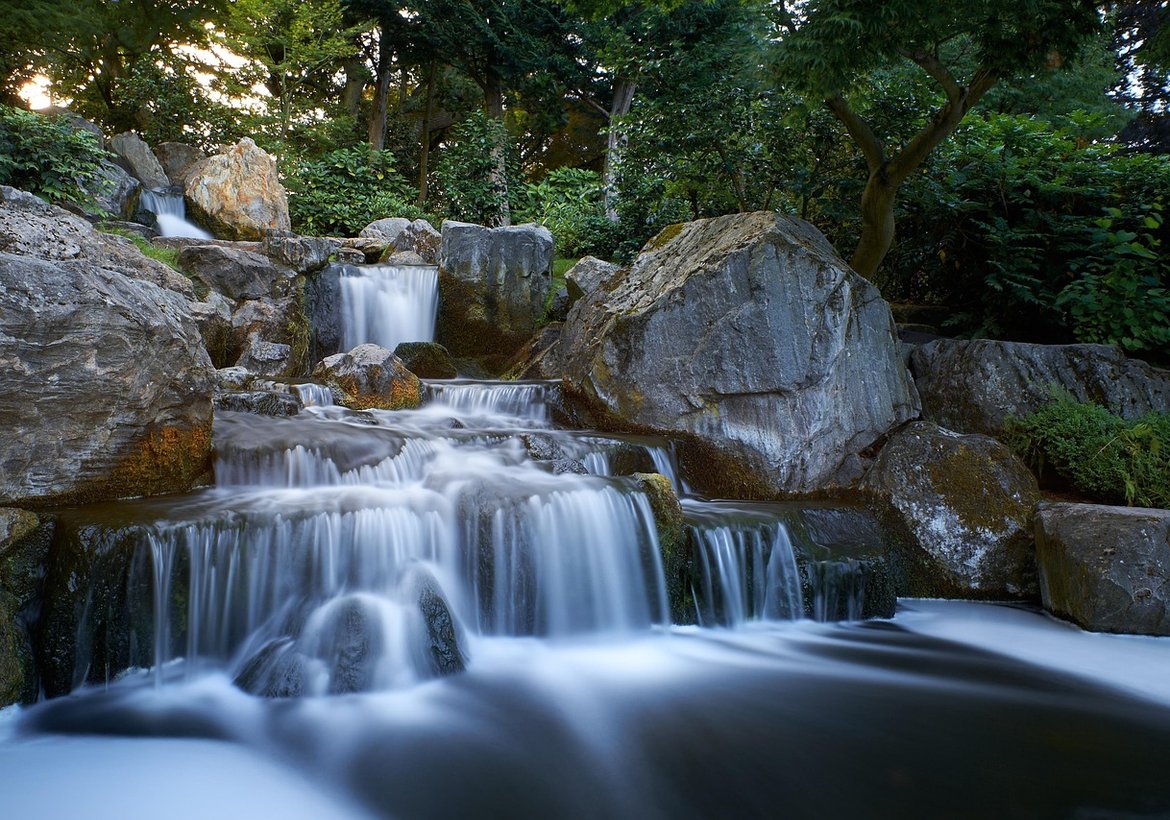
A collection of river essays explores how moving water shapes memory, language, and the way we pay attention to landscapes in motion.

B. Johnso

Computer inside

A season-long quest to see every British butterfly species becomes a thoughtful meditation on obsession, habitat, and what we lose when we stop counting.

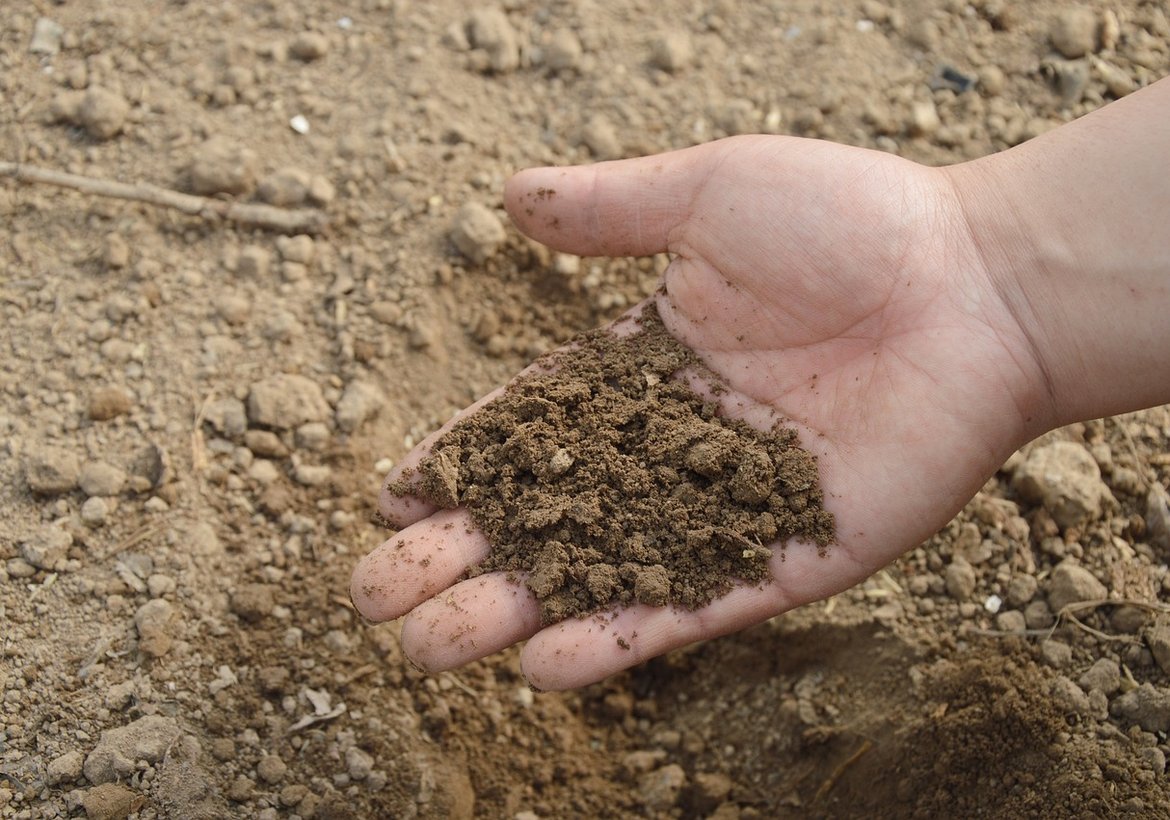
A clear-eyed look at soil ecology argues that the ground under our feet is the most underrated habitat on earth, and the most worth defending.

What's next?

Peter Wohlleben's bestseller invites us to rethink everything we assumed about the silent, stationary giants we walk past every day.


A good notebook is the cheapest piece of wildlife equipment you will ever own, and these five approaches will help you actually use it.

Conclusion


Adam Nicolson follows ten seabird species across the world's oceans and returns with a book that is part elegy, part celebration.


Elite author
A collection of river essays explores how moving water shapes memory, language, and the way we pay attention to landscapes in motion.
View all posts

03 Comments

You do not need acreage to make a difference. A balcony, a window box, or a patch of lawn can all become habitat.

Alice Rose

Sep 4, 2026 at 3:12 pm

Most wildlife encounters happen after the animal has gone. Learning to read what they leave behind is the next best thing to seeing them.

O.Henry

Oct 4, 2026 at 3:12 pm

A gentle, illustrated account of how one naturalist found her way back to health by paying close attention to a single patch of riverside.

Lima Azumi

Sep 26, 2026 at 3:12 pm

Leave a Reply