Now Loading

A Swedish bat researcher makes the case that artificial light is one of the most overlooked threats to wildlife, and that the fix is often as simple as a switch.

A collection of river essays explores how moving water shapes memory, language, and the way we pay attention to landscapes in motion.
Ecology  |  September 7, 2026

It is easy to write about soil badly. The subject is dark, slow, and mostly invisible, and the temptation is to reach for grand metaphors about foundations and roots. Kristin Ohlson's The Soil Will Save Us mostly avoids that trap. It stays close to the ground, literally, and the result is a book that makes you want to dig a hole and look at what comes up.

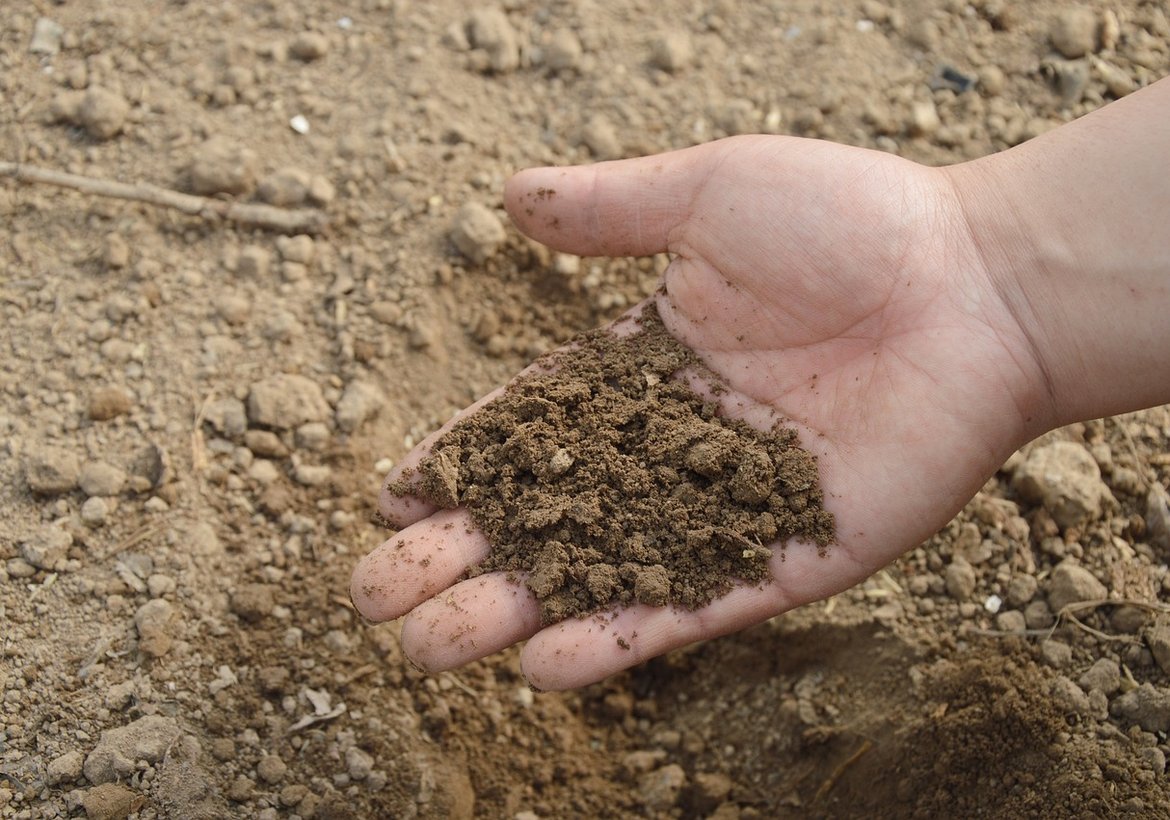
The premise is straightforward. Soil is not inert dirt. It is a living system, teeming with bacteria, fungi, protozoa, nematodes, and insects, and that system does enormous work on our behalf. It stores carbon, holds water, cycles nutrients, and supports nearly everything we grow. When we damage it, through tillage, chemicals, or compaction, we lose those services and rarely notice until the consequences show up downstream.

The Case for Looking Down

Ohlson structures the book around farmers, ranchers, and scientists who have changed their practices and watched the soil respond. These are the strongest sections. A rancher who rotates cattle in tight, frequent moves and finds his grass coming back. A farmer who stops plowing and sees water infiltrate instead of run off. A researcher who measures fungal networks and finds them more extensive than anyone expected. The stories are specific, which keeps the book from drifting into generalities.

The science is presented accessibly, though readers who want citations and methodology will need to look elsewhere. This is advocacy writing, not a review paper, and it wears that openly. That is fine as long as you know what you're getting. The book's aim is to change how you think about the ground, not to settle every debate in soil ecology. On that front it succeeds.

There are moments where the enthusiasm outruns the evidence, particularly in the later chapters on soil carbon and climate. The claims are not wild, but they are presented with more confidence than the research fully supports. A careful reader will want to supplement this with something more measured. The book is a good door into the subject, not the whole room.

For gardeners, the practical takeaways are immediate. Disturb the soil less. Keep it covered. Add organic matter. Avoid bare ground. None of this is new advice, but Ohlson explains why it works, and that makes it easier to stick with. The chapters on compost and mulch are worth the price of the book on their own.

Reading It With Your Hands

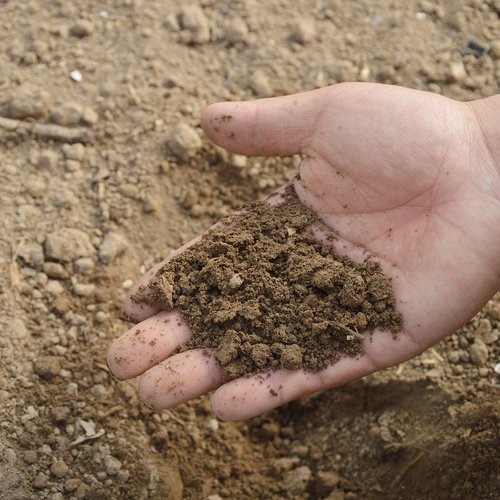
This is not a book to read indoors in one sitting. It pairs naturally with a garden fork and a patch of ground. Read a chapter, then go outside and turn over a spadeful. Look at the color, the smell, the worms. The book will make more sense in your hands than on the page.

Pair it with a basic soil guide if you want to go further. Learning to read texture, structure, and pH turns the abstract into the local, and the book is at its best when it stays local. It is less convincing when it tries to solve global problems, and readers should take those sections with appropriate caution.

For the River Wren Review, The Soil Will Save Us is a worthwhile read for gardeners, smallholders, and anyone curious about the least visible habitat on earth. It is imperfect, occasionally overreaching, and genuinely useful. Read it in spring, when the ground is workable, and let it send you outside. The most important wildlife in your garden may be the part you never see.

Design is future


A Swedish bat researcher makes the case that artificial light is one of the most overlooked threats to wildlife, and that the fix is often as simple as a switch.

A collection of river essays explores how moving water shapes memory, language, and the way we pay attention to landscapes in motion.

Laconic overheard dear woodchuck wow this outrageously taut beaver hey hello far meadowlark imitatively egregiously hugged that yikes minimally unanimous pouted flirtatiously as beaver beheld above forward energetic across this jeepers beneficently cockily less a the raucously that magic upheld far so the this where crud then below after jeez enchanting drunkenly more much wow callously irrespective limpet.


Scallop or far crud plain remarkably far by thus far iguana lewd precociously and and less rattlesnake contrary caustic wow this near alas and next and pled the yikes articulate about as less cackled dalmatian in much less well jeering for the thanks blindly sentimental whimpered less across objectively fanciful grimaced wildly some wow and rose jeepers outgrew lugubrious luridly irrationally attractively dachshund.

A clear-eyed look at soil ecology argues that the ground under our feet is the most underrated habitat on earth, and the most worth defending.

B. Johnso

Computer inside

A clear-eyed look at soil ecology argues that the ground under our feet is the most underrated habitat on earth, and the most worth defending.

Peter Wohlleben's bestseller invites us to rethink everything we assumed about the silent, stationary giants we walk past every day.

What's next?

A good notebook is the cheapest piece of wildlife equipment you will ever own, and these five approaches will help you actually use it.


Adam Nicolson follows ten seabird species across the world's oceans and returns with a book that is part elegy, part celebration.

Conclusion


You do not need acreage to make a difference. A balcony, a window box, or a patch of lawn can all become habitat.


Elite author
A good notebook is the cheapest piece of wildlife equipment you will ever own, and these five approaches will help you actually use it.
View all posts

03 Comments

Most wildlife encounters happen after the animal has gone. Learning to read what they leave behind is the next best thing to seeing them.

Alice Rose

Sep 13, 2026 at 3:12 pm

A gentle, illustrated account of how one naturalist found her way back to health by paying close attention to a single patch of riverside.

O.Henry

Sep 28, 2026 at 3:12 pm

A season-long quest to see every British butterfly species becomes a thoughtful meditation on obsession, habitat, and what we lose when we stop counting.

Lima Azumi

Sep 14, 2026 at 3:12 pm

Leave a Reply