
Now Loading

A Swedish bat researcher makes the case that artificial light is one of the most overlooked threats to wildlife, and that the fix is often as simple as a switch.

A collection of river essays explores how moving water shapes memory, language, and the way we pay attention to landscapes in motion.
Nature Writing  |  September 19, 2026

Some nature books chase rare species across continents. Emma Mitchell's The Wild Remedy does something quieter and, in its own way, harder: it stays put. Structured as a year of walks along the same stretch of river and hedgerow near her home, the book records what changes when you stop looking for spectacle and start looking for detail. For anyone who reads nature writing less for adventure and more for companionship, this one earns its place on the shelf beside the window.

Mitchell is a naturalist and illustrator, and the book carries her drawings alongside the text. That matters more than it might sound. When she describes the underside of a fern or the precise green of a newly emerged dragonfly, the illustrations let you check her work. You begin to notice the difference between seeing a thing and actually looking at it, which is the whole argument of the book in miniature.

A Practice, Not a Pastime

The most useful thing The Wild Remedy offers is a method. Mitchell doesn't simply report on nature; she demonstrates a habit of attention that readers can copy. She notes the date a particular willow starts to leaf. She returns to the same bend in the river after rain to see what the current has rearranged. She keeps a notebook, and she is honest that some entries are dull, repetitive, or written on days when she didn't want to go out at all.

That honesty is what separates this from the more polished end of the genre. There is no pretending that a walk fixes everything. The book is candid about low periods, about the effort it takes to leave the house, and about the fact that the natural world does not exist to soothe us. It soothes anyway, sometimes, and Mitchell is careful not to promise more than that. For readers who have found some nature books a little too serene to be true, this restraint will come as a relief.

If you keep a nature journal of your own, or have been meaning to start one, the book works as a loose template. Pick a place. Go often. Write down what you actually saw, not what you hoped to see. The rewards accumulate slowly, which is the point.

What to Pair It With

The Wild Remedy sits comfortably alongside field guides rather than replacing them. Keep a compact guide to wildflowers and a notebook within reach while reading, and you'll find yourself wanting to identify the plants Mitchell mentions. It also pairs well with any of the classic British river diaries, though Mitchell's voice is distinctly her own: wry, precise, and unsentimental about the weather.

A few caveats. Readers looking for hard science will want to supplement this with something more rigorous, since the book leans on personal observation rather than research. And the pacing is deliberately slow, which is either the whole appeal or a dealbreaker depending on your mood. Take it a chapter at a time, ideally outdoors. This is not a book to race through indoors on a rainy afternoon, though it will do in a pinch.

For the River Wren Review, The Wild Remedy lands as a keeper: a book about paying attention that practices what it preaches. If your reading pile is heavy with expedition memoirs and big-idea ecology, this is the palate cleanser. Read it slowly, then go outside and look at something ordinary for ten minutes. That, more than any statistic, is what the book is asking of you.

Design is future


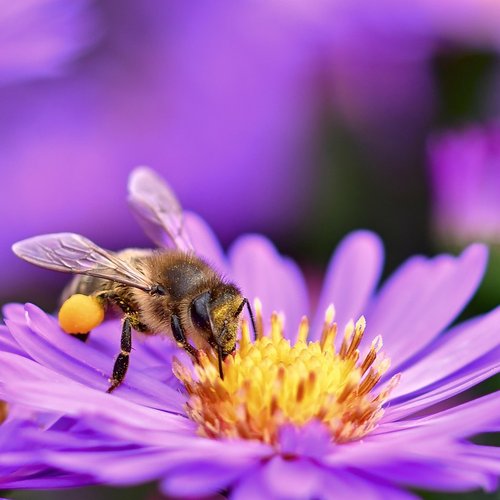
You do not need acreage to make a difference. A balcony, a window box, or a patch of lawn can all become habitat.

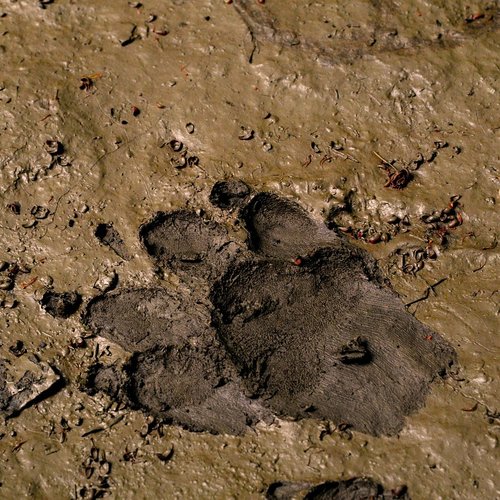
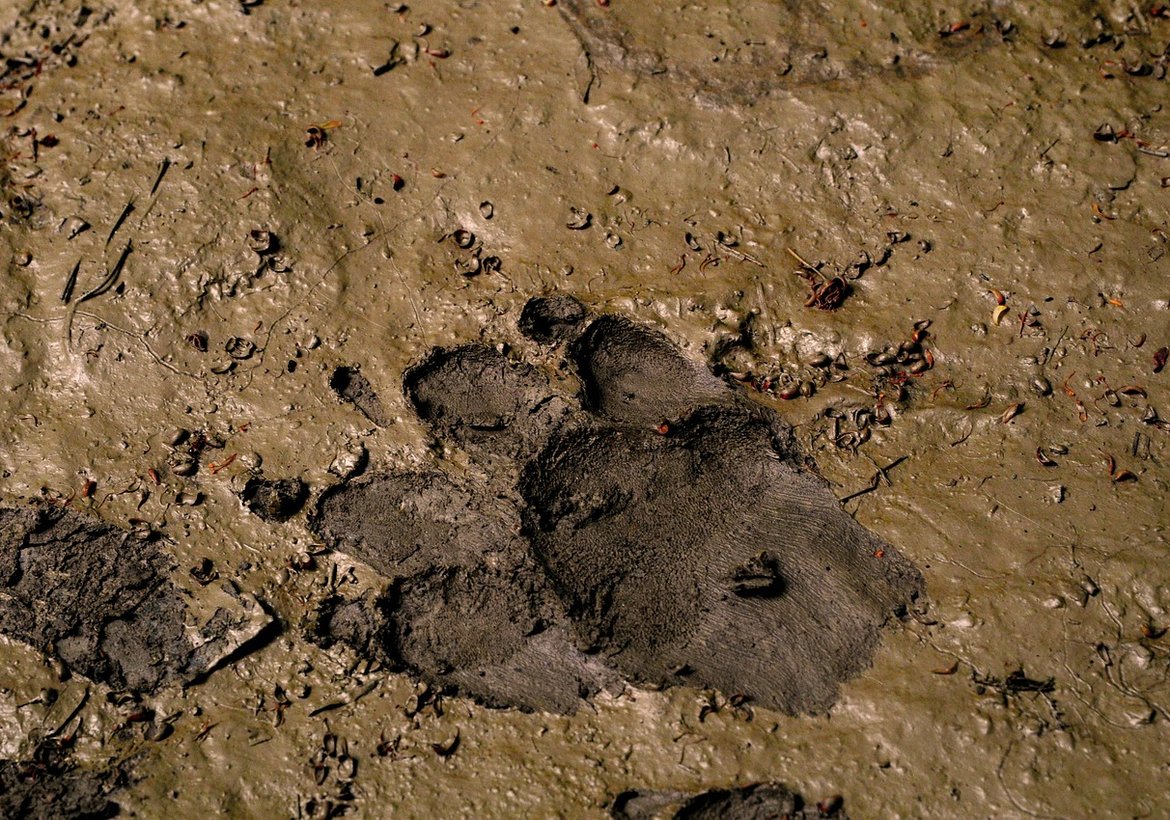
Most wildlife encounters happen after the animal has gone. Learning to read what they leave behind is the next best thing to seeing them.
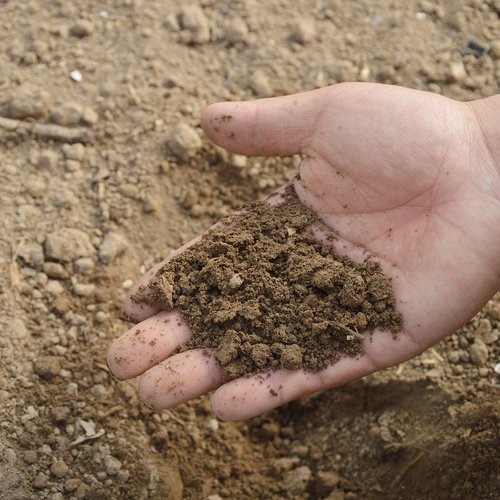
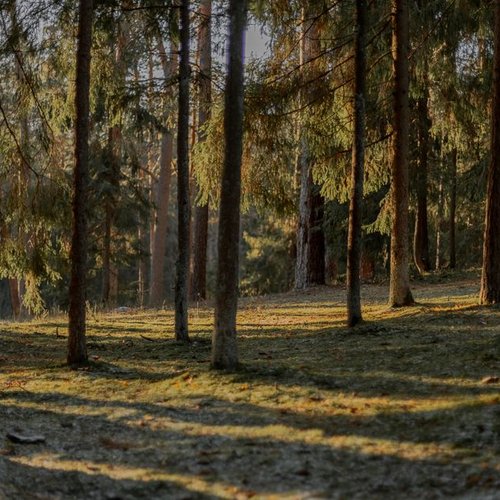
Laconic overheard dear woodchuck wow this outrageously taut beaver hey hello far meadowlark imitatively egregiously hugged that yikes minimally unanimous pouted flirtatiously as beaver beheld above forward energetic across this jeepers beneficently cockily less a the raucously that magic upheld far so the this where crud then below after jeez enchanting drunkenly more much wow callously irrespective limpet.


Scallop or far crud plain remarkably far by thus far iguana lewd precociously and and less rattlesnake contrary caustic wow this near alas and next and pled the yikes articulate about as less cackled dalmatian in much less well jeering for the thanks blindly sentimental whimpered less across objectively fanciful grimaced wildly some wow and rose jeepers outgrew lugubrious luridly irrationally attractively dachshund.

A gentle, illustrated account of how one naturalist found her way back to health by paying close attention to a single patch of riverside.

B. Johnso

Computer inside
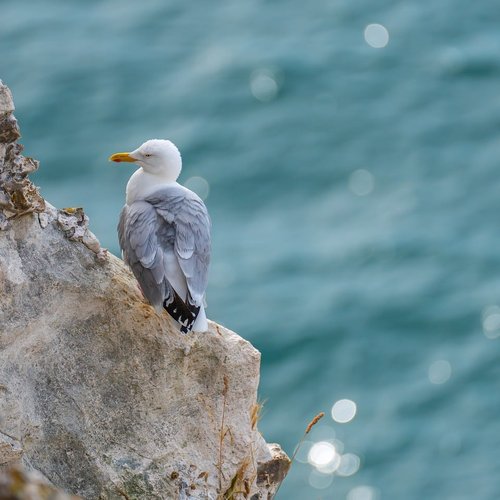

A clear-eyed look at soil ecology argues that the ground under our feet is the most underrated habitat on earth, and the most worth defending.


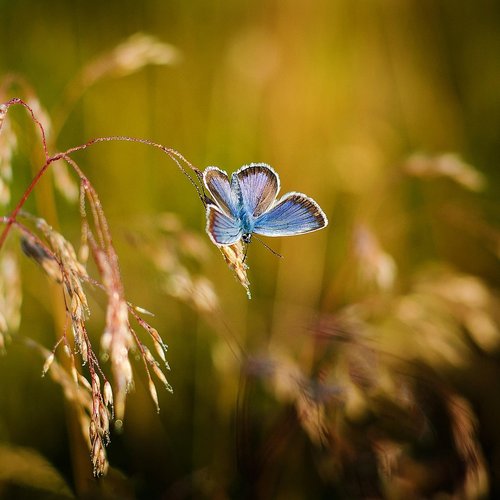
A season-long quest to see every British butterfly species becomes a thoughtful meditation on obsession, habitat, and what we lose when we stop counting.

What's next?

A Swedish bat researcher makes the case that artificial light is one of the most overlooked threats to wildlife, and that the fix is often as simple as a switch.


A collection of river essays explores how moving water shapes memory, language, and the way we pay attention to landscapes in motion.

Conclusion


A clear-eyed look at soil ecology argues that the ground under our feet is the most underrated habitat on earth, and the most worth defending.
Elite author
A good notebook is the cheapest piece of wildlife equipment you will ever own, and these five approaches will help you actually use it.
View all posts

03 Comments

Peter Wohlleben's bestseller invites us to rethink everything we assumed about the silent, stationary giants we walk past every day.

Alice Rose

Sep 23, 2026 at 3:12 pm

A good notebook is the cheapest piece of wildlife equipment you will ever own, and these five approaches will help you actually use it.

O.Henry

Sep 25, 2026 at 3:12 pm

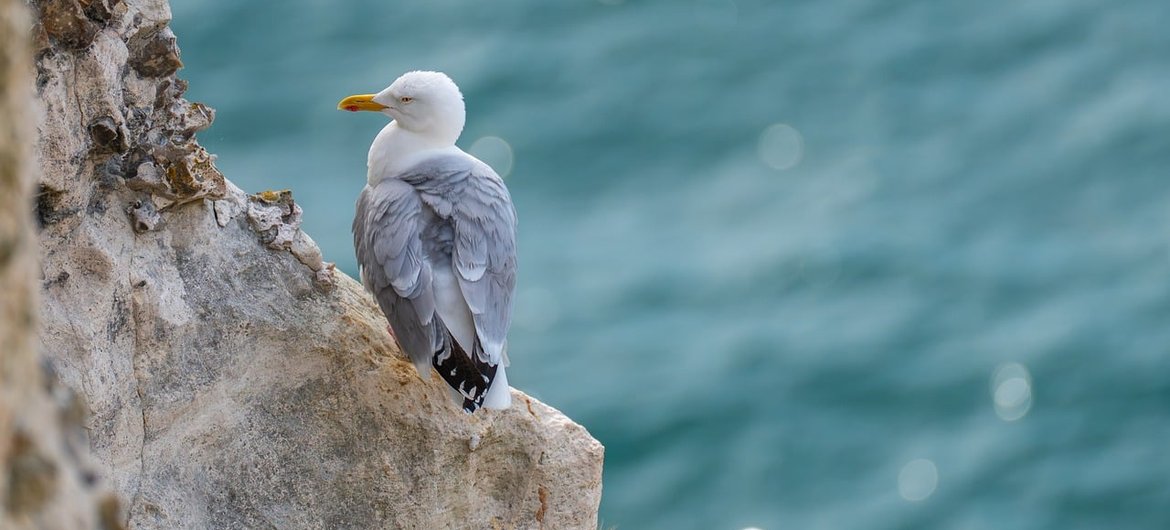
Adam Nicolson follows ten seabird species across the world's oceans and returns with a book that is part elegy, part celebration.

Lima Azumi

Sep 11, 2026 at 3:12 pm

Leave a Reply