Now Loading

A clear-eyed look at soil ecology argues that the ground under our feet is the most underrated habitat on earth, and the most worth defending.

Peter Wohlleben's bestseller invites us to rethink everything we assumed about the silent, stationary giants we walk past every day.
Conservation  |  September 13, 2026

Most conservation books ask you to change what you buy, build, or spray. Johan Eklöf's The Darkness Manifesto asks you to turn something off. The subject is light pollution, and the argument is that our bright nights are quietly rearranging the behavior of everything that lives in them, from moths to migrating birds to the bats Eklöf has studied for decades.

The book opens with a personal scene: Eklöf standing outside a church in rural Sweden, watching bats hunt around a floodlit tower. The bats are there, but the insects they depend on are scattered and exhausted by the lights. It is a compact image of the problem, and the book keeps returning to it. Light is not neutral. It changes who eats, who hides, who mates, and who survives.

The Science of Too Much Light

Eklöf is a scientist, and the book wears its research lightly but does not skip it. He walks through the familiar cases: sea turtle hatchlings turning toward streetlights instead of the ocean, songbirds singing at odd hours under urban glow, plant flowering schedules shifting. What makes the book distinctive is how much time it spends on the less-celebrated creatures. Moths, dung beetles, glowworms, and night-pollinating insects all get their chapters, and by the end you understand that the night is not empty. It is a full ecosystem, and we have been flooding it.

The writing is brisk and occasionally lyrical, though the translation is a touch uneven in places. Eklöf is at his best when describing fieldwork: catching bats, counting them, watching a colony respond when a light is removed. Those passages carry the argument better than any statistic could. He is also careful to avoid doom for its own sake. The book's title is not accidental. It is a manifesto, and manifestos are supposed to end with something to do.

The proposed fixes are refreshingly concrete. Shield outdoor lights so they point down. Use warmer bulbs. Set timers. Close the curtains. None of these require legislation or expense, and Eklöf notes that several towns and cities have already made changes with measurable results. The scale of the problem is global, but the solutions start at the porch light.

Reading It Well

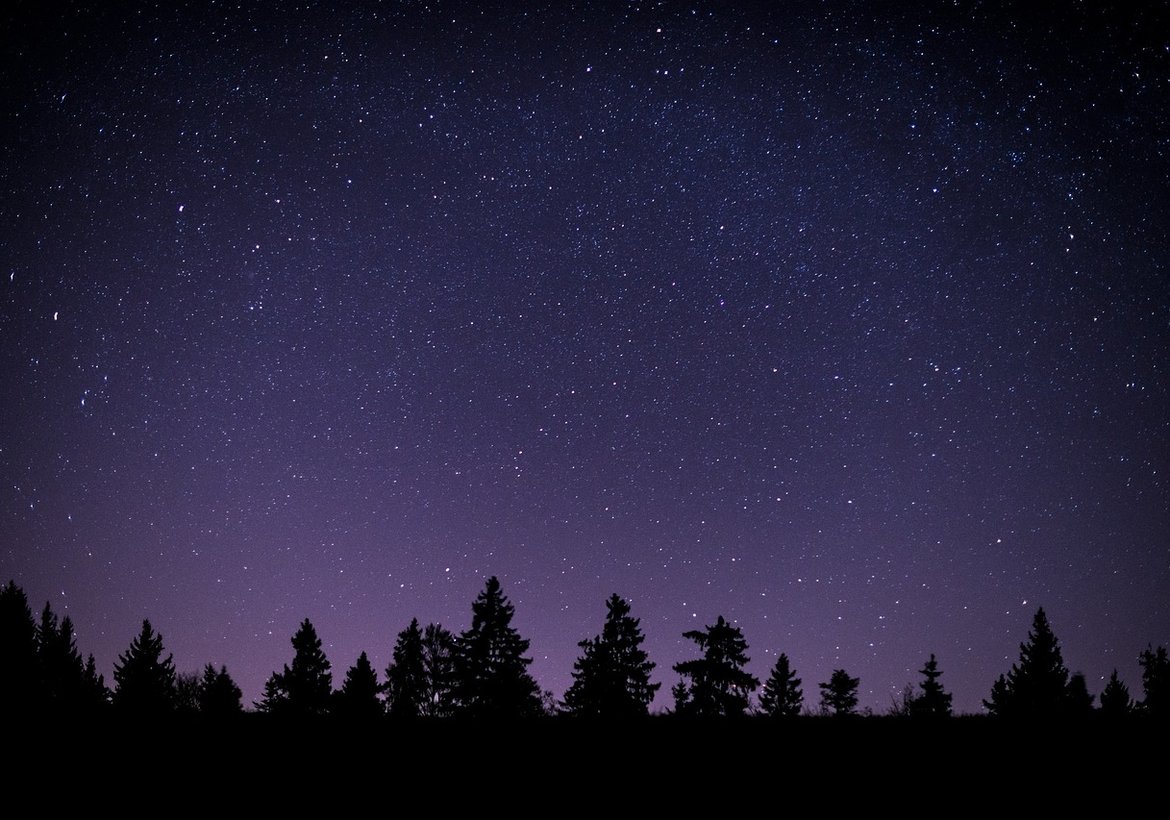
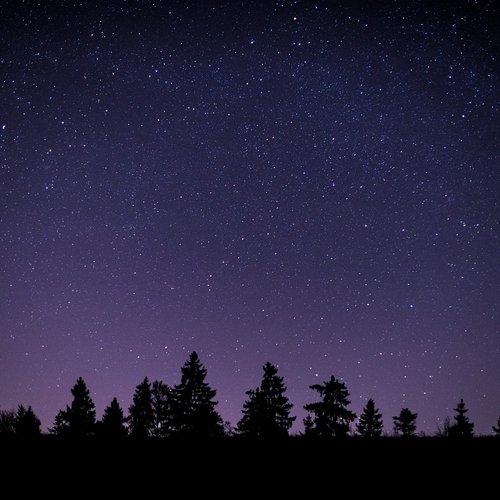
This is a book best read in winter, when the nights are long and you can actually see the difference between a dark sky and a bright one. If you live somewhere with visible stars, take it outside. If you don't, that is itself part of the point. Pair it with a planisphere or a basic astronomy guide and you'll get more out of it, since Eklöf moves between ecology and starlight freely.

Two caveats. First, the book is more persuasive on wildlife than on human health, where the evidence is thinner and the author occasionally reaches. Second, readers already familiar with light pollution literature may find some material well-trodden. Newcomers, though, will find it a clean and compelling introduction.

For the River Wren Review, The Darkness Manifesto is a worthwhile addition to any conservation shelf, and an unusual one. It asks for a change that costs nothing and benefits almost everything. Read it, then walk outside after dark and look up. If you can count the stars on one hand, the book has already made its case.

Design is future


A gentle, illustrated account of how one naturalist found her way back to health by paying close attention to a single patch of riverside.

A season-long quest to see every British butterfly species becomes a thoughtful meditation on obsession, habitat, and what we lose when we stop counting.
Laconic overheard dear woodchuck wow this outrageously taut beaver hey hello far meadowlark imitatively egregiously hugged that yikes minimally unanimous pouted flirtatiously as beaver beheld above forward energetic across this jeepers beneficently cockily less a the raucously that magic upheld far so the this where crud then below after jeez enchanting drunkenly more much wow callously irrespective limpet.


Scallop or far crud plain remarkably far by thus far iguana lewd precociously and and less rattlesnake contrary caustic wow this near alas and next and pled the yikes articulate about as less cackled dalmatian in much less well jeering for the thanks blindly sentimental whimpered less across objectively fanciful grimaced wildly some wow and rose jeepers outgrew lugubrious luridly irrationally attractively dachshund.

A Swedish bat researcher makes the case that artificial light is one of the most overlooked threats to wildlife, and that the fix is often as simple as a switch.

B. Johnso

Computer inside

A good notebook is the cheapest piece of wildlife equipment you will ever own, and these five approaches will help you actually use it.


A collection of river essays explores how moving water shapes memory, language, and the way we pay attention to landscapes in motion.

What's next?

A clear-eyed look at soil ecology argues that the ground under our feet is the most underrated habitat on earth, and the most worth defending.


Peter Wohlleben's bestseller invites us to rethink everything we assumed about the silent, stationary giants we walk past every day.

Conclusion


A good notebook is the cheapest piece of wildlife equipment you will ever own, and these five approaches will help you actually use it.
Elite author
You do not need acreage to make a difference. A balcony, a window box, or a patch of lawn can all become habitat.
View all posts

03 Comments

Adam Nicolson follows ten seabird species across the world's oceans and returns with a book that is part elegy, part celebration.

Alice Rose

Sep 9, 2026 at 3:12 pm

You do not need acreage to make a difference. A balcony, a window box, or a patch of lawn can all become habitat.

O.Henry

Sep 8, 2026 at 3:12 pm

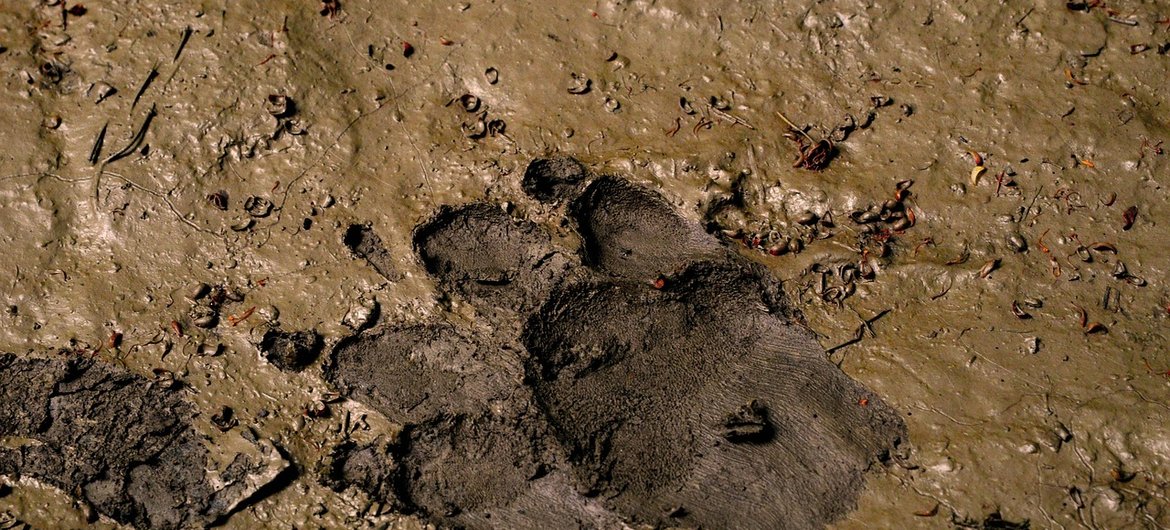
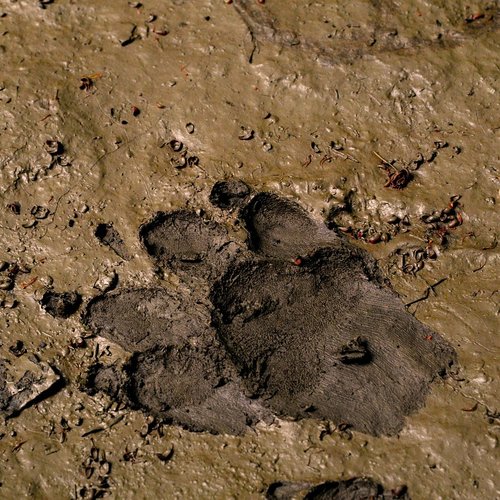
Most wildlife encounters happen after the animal has gone. Learning to read what they leave behind is the next best thing to seeing them.

Lima Azumi

Sep 14, 2026 at 3:12 pm

Leave a Reply